Why Electronics Recycling Helps Reduce E-Waste
Green Initiatives: How E-Waste Recycling Services Are Protecting Our Planet
E-waste represents a considerable hazard to the environment, as disposed electronics frequently harbor hazardous substances. These hazardous substances can contaminate soil and water, leading to broader ecological damage. E-waste recycling initiatives provide a practical answer. They not only recover valuable resources but also mitigate pollution. Comprehending the operation of these services and their influence on communities is of great importance. The journey towards effective e-waste management raises critical questions about individual responsibility and collective action. What actions should be considered going forward?
Why E-Waste Is Bad for the Planet
Even though technological advancements improve contemporary living, e-waste poses considerable environmental hazards. Discarded electronic devices, often containing hazardous materials such as lead, mercury, and cadmium, can leach toxins into the surrounding soil and water supply, creating hazards for human health and ecosystems. The rapid pace of technological advancement contributes to increased consumer turnover of electronics, intensifying the growing problem of discarded electronic materials.
Landfills, already burdened with waste, struggle to accommodate the growing volumes of discarded gadgets. Burning, an alternative disposal approach, discharges toxic contaminants into the air, worsening overall air quality. Moreover, poor recycling procedures can cause e-waste to be sent to developing regions, Explore now where employees may disassemble electronics without sufficient safety precautions, leaving them vulnerable to harmful substances. This ongoing cycle of carelessness and inadequate management emphasizes the pressing necessity for responsible recycling initiatives that can lessen the harmful consequences of e-waste on our world.
What Is E-Waste and Why Does It Matter?
E-waste, or electronic waste, comprises discarded electronic devices such as televisions, computers, and smartphones that have reached the end of their useful life. This growing category of waste is significant because of its swift buildup, driven by technological advancements and consumer trends. As more devices become obsolete, the toll on the environment grows more severe, with toxic materials such as lead, mercury, and cadmium threatening both ecosystems and public health.
The importance of addressing e-waste lies not only in mitigating these hazards but also in recognizing the valuable materials it contains. Precious metals and rare earth elements can be recovered and reused, reducing the need for mining and conserving natural resources. By understanding e-waste and its implications, individuals and organizations can make informed decisions about disposal and recycling, ultimately contributing to a more sustainable future. Responsible management of e-waste plays a key role in supporting a circular economy and championing environmental stewardship.
The Way E-Waste Recycling Functions
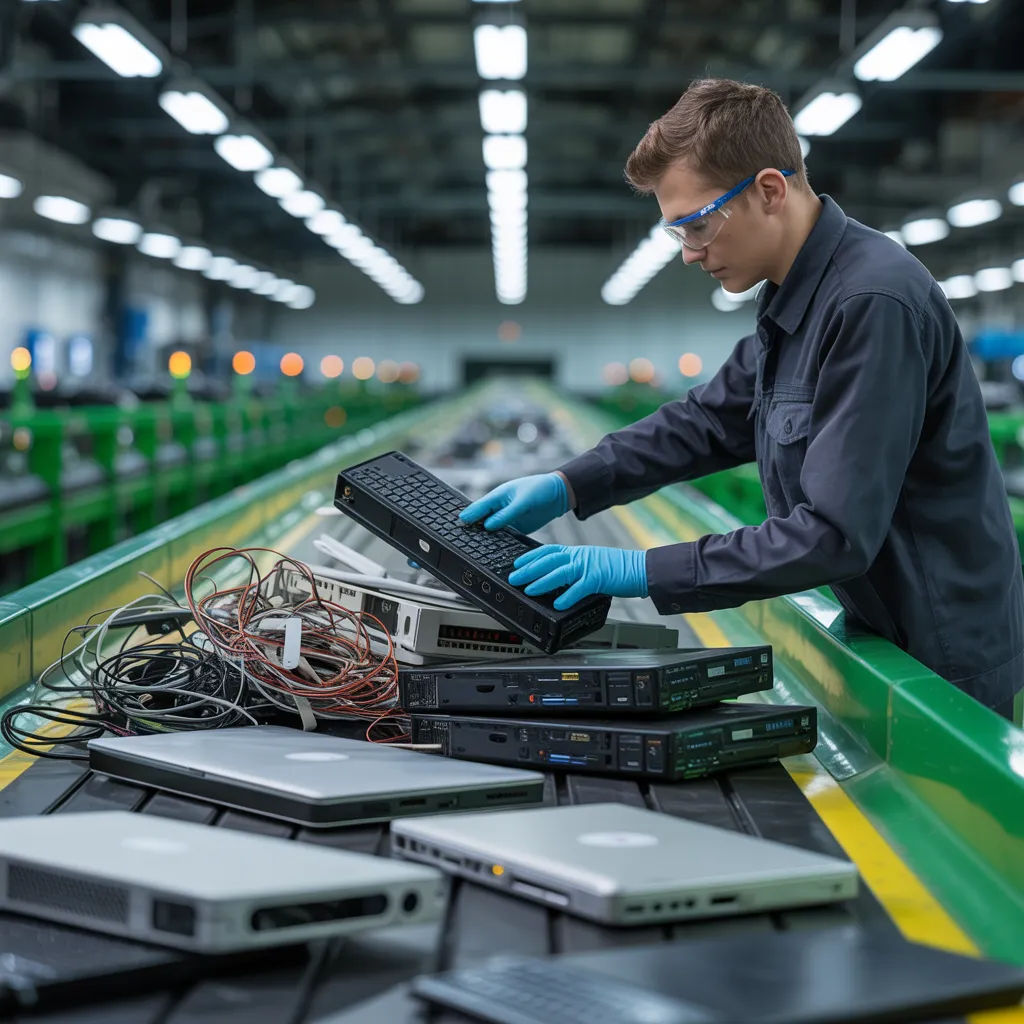
E-waste recycling entails an organized procedure designed to recover valuable materials while limiting ecological damage. To begin, e-waste is collected and transported to dedicated processing centers. Once there, the devices undergo thorough sorting to separate hazardous components from recyclable materials.
Subsequently, employees dismantle the items, removing metals, plastics, and glass. This process is vital, as it enables the extraction of valuable metals like copper, gold, and silver, which are repurposed in modern electronics.
Following this, the isolated materials are refined through sophisticated techniques, such as shredding and chemical treatments, to purify them for recycling.
In the final step, the leftover hazardous materials are disposed of responsibly, complying with eco-friendly standards. This systematic method not only conserves resources but also mitigates the risks linked to irresponsible electronic waste disposal, ensuring a more sustainable future for electronic device usage.
Why E-Waste Recycling Matters for You and Your Community
Although it often goes unnoticed, the advantages of e-waste recycling go far beyond individual benefit and actively shape entire communities. By responsibly disposing of electronic waste, individuals help foster a cleaner environment, decreasing hazardous materials that can leach into soil and water. This responsible method helps preserve local ecosystems and advances public health.
In addition, e-waste recycling fosters employment opportunities within local communities. Community recycling operations commonly require workers for numerous tasks, covering everything from collection to processing, therefore offering work opportunities within the community. This not only strengthens the regional economy but also inspires community dedication to sustainable efforts.
In addition, familiarity with e-waste recycling can lead to learning opportunities, equipping residents to pursue greener alternatives. By taking part in e-waste recycling programs, individuals nurture a culture of sustainability, prompting others to embrace similar practices. All things considered, the collective impact of these actions can contribute to a more sustainable and conscientious community.
How to Pick an E-Waste Recycling Service
Choosing the right e-waste recycling service is crucial for guaranteeing that e-waste is processed in a responsible and sustainable manner. To begin, individuals should confirm the company's credentials, such as R2 and e-Stewards certifications, which signify compliance with industry standards for safe recycling practices. It's also important to examine the provider's standing by checking reviews and looking for advice from dependable sources.
Moreover, openness in the recycling process is crucial. A dependable company should offer detailed insights about how e-waste is processed and how the materials are utilized. Additionally, assessing the variety of services available can be advantageous; certain providers may offer collection services or present rewards for recycling.
In addition, familiarizing yourself with local regulations regarding e-waste disposal may further shape the evaluation process. By taking these elements into account, residents can actively participate in successful electronic waste reduction as well as promoting environmentally responsible practices.
Ways You Can Participate in E-Waste Recycling?
Getting involved with e-waste recycling may begin at the local level, where local recycling facilities often provide essential services for responsible disposal. Furthermore, taking part in community awareness campaigns can amplify efforts to inform others regarding the importance of proper e-waste handling. These initiatives not only encourage sustainable practices but also foster a collective sense of accountability for the environment.
Community Recycling Locations
Many regional recycling hubs perform an important function in the recycling of e-waste, supplying communities with reliable ways to dispose of electronic waste responsibly. These hubs welcome a wide array of digital devices, including used computers, handheld devices, and televisions, making certain that hazardous materials are managed safely. The majority of facilities employ experienced team members who can guide individuals on proper disposal methods, underscoring the benefits of recycling compared to landfilling. In addition, numerous facilities provide organized drop-off opportunities or appointed collection periods, making participation convenient for residents. By engaging with these local facilities, community members advance a circular economy, minimizing ecological impact and fostering sustainable behaviors. Engaging with these centers allows communities to address e-waste pollution proactively.
Community Awareness Campaigns
Community groups, educational institutions, and companies can partner to arrange initiatives that encourage e-waste collection drives. Volunteers can play a pivotal role in raising awareness, sharing informational resources, and connecting with local residents. Through these collective efforts, community members grow more knowledgeable and inspired to dispose of their electronics responsibly, thus playing a meaningful role in creating a more environmentally responsible future.
Common Questions and Answers
What Electronic Devices Are Eligible for Recycling?
Many different electronics can be recycled, including smartphones, computers, laptops, televisions, printers, and gaming consoles. Moreover, ancillary devices such as batteries, keyboards, and mice are also suitable for recycling, aiding in environmental conservation efforts.
Are There Fees Involved With E-Waste Recycling?
Yes, e-waste disposal sometimes comes with costs, subject to the service provider. Some service centers charge fees for gathering or treatment, while some providers make services available at no charge, typically funded by the sale of reclaimed components.
How Do Businesses Gain From E-Waste Recycling?
Businesses can benefit from e-waste recycling by reducing disposal costs, improving their green reputation, complying with regulations, reclaiming useful materials, and potentially generating revenue through resale, thus supporting a greener and more sustainable operational framework.
What Happens to Data on Recycled Devices?
Data from refurbished equipment is commonly irretrievably wiped or eliminated during the refurbishment process. This confirms sensitive information is kept safe, preventing unauthorized access while permitting resources to be recycled securely and sustainably within new applications.
Are Broken Electronics Eligible for Recycling?
Indeed, damaged electronics are able to be recycled. Numerous facilities receive broken devices, guaranteeing safe disposal and retrieval of recoverable materials. This effort helps reduce environmental impact while supporting eco-friendly recycling methods to address electronic waste responsibly.